
The Importance of a Clean Slate for Restoration Projects
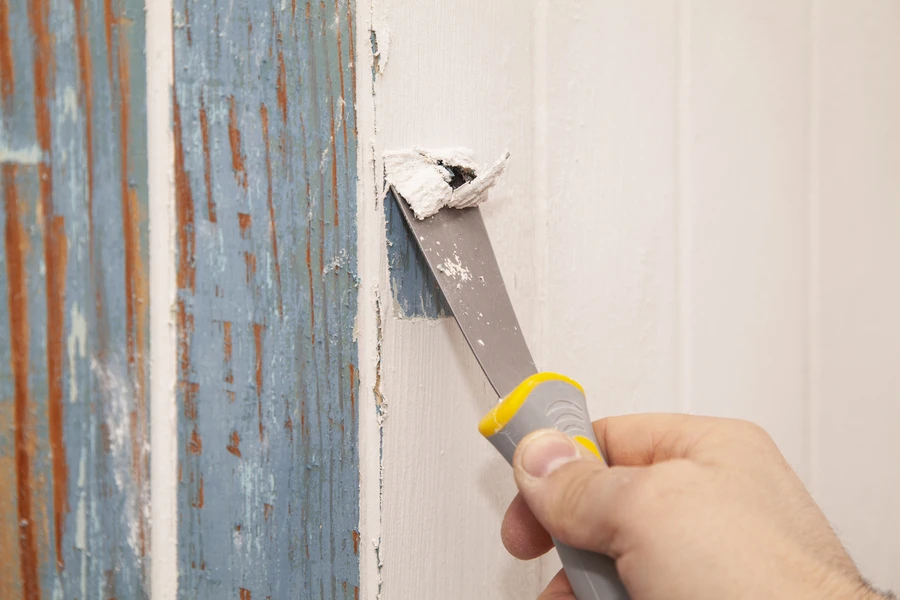
In the world of surface restoration, starting with a clean slate is crucial. Old paint layers can hide flaws and cause future problems if not removed. Whether you are restoring furniture or working on a large building facade, removing old paint ensures the new layer adheres well. This process prevents peeling, bubbling, or cracking over time, ensuring that your restoration work stands the test of time.
The Role of Preparation in Successful Restoration
Preparation is key to any successful restoration project. When it comes to proper surface restoration, paint removal plays a major role in preparation. By taking off old paint layers, surfaces become ready for treatments and finishes. A well-prepared surface helps ensure that restorations look great and last long, making this step essential rather than optional.
Challenges Faced Without Effective Paint Removal
Skipping paint removal brings several challenges. These include uneven surfaces, poor adhesion of new coatings, and hidden damage. Paint buildup can create lumps and bumps, making it hard to achieve a smooth finish. Additionally, without removing old paint, there’s a risk of trapping moisture underneath, leading to decay and rot in materials like wood. Avoiding these issues requires thorough surface preparation.
Benefits of Removing Old Layers
Removing old paint offers many benefits to restoration projects. First and foremost, it allows for a smoother application of new finishes. It also reveals any underlying damage that needs fixing before applying fresh coats. Here are some key advantages:
- Enhanced adhesion for new coatings
- Improved durability and longevity
- Aesthetically pleasing results
- Increased protection against environmental elements
Methods for Removing Old Paint
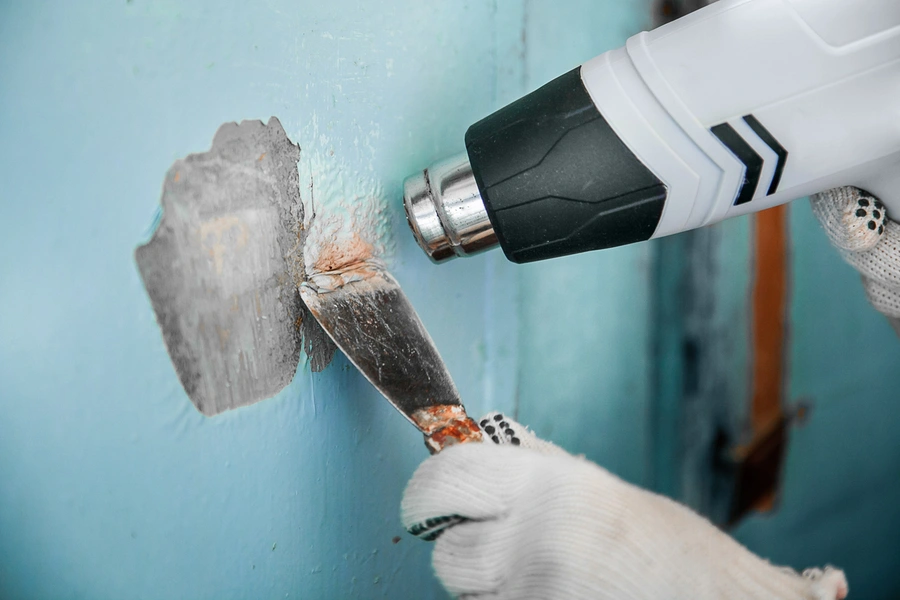
Several methods exist for effectively removing old paint layers. Choosing the right method depends on the type of surface and paint involved. Common techniques include sanding, chemical strippers, and heat guns. Sanding works well for flat surfaces but may not be suitable for intricate details. Chemical strippers dissolve paint but must be used with caution due to their potential hazards. Heat guns can peel away paint by softening it, allowing easy scraping.
Best Practices for a Smooth Finish
Following best practices ensures successful outcomes in surface restoration projects. Begin by assessing the condition of the existing paint and surface beneath. Choose the appropriate removal method based on these factors. Always wear protective gear when handling chemicals or tools. After paint removal, clean the surface thoroughly before applying primers or new finishes.
Understanding Industry Standards and Requirements
Restoration projects often need to meet industry standards and requirements. Adhering to these guidelines ensures quality and compliance with safety regulations. This includes using certified products and following manufacturer instructions during application processes. Staying informed about the latest trends and technologies also helps improve quality and efficiency in restoration work.
Cost Factors and Value Considerations
The cost of paint removal varies depending on the method used and the size of the project. While initial costs may seem high, consider the long-term value: improved aesthetics, extended lifespan of surfaces, and fewer maintenance needs. Investing in proper paint removal ultimately saves money by reducing the likelihood of premature failures and costly repairs down the line.
Your Path to Successful Restoration
Embarking on a restoration project requires careful planning and execution. At Volz Family Painting LLC, we understand the importance of starting with a clean slate for optimal results. Our team provides expert guidance tailored to your needs at every step of the process. Call us at (513) 625-1062 to discuss how we can help bring your vision to life with precision and care in Milford, OH. Together, let’s make sure your restoration project is a success from start to finish.